

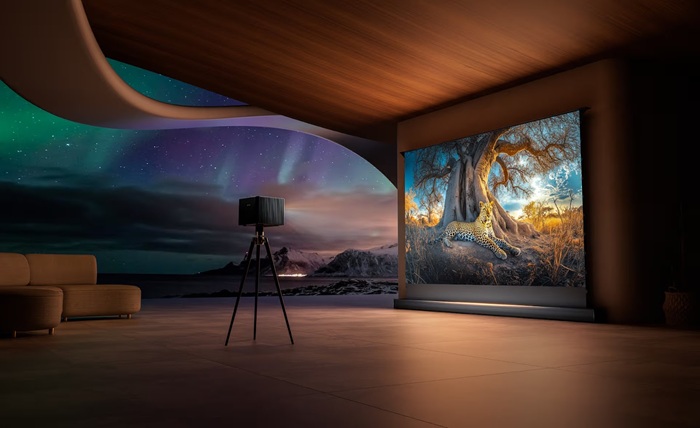
Building a dedicated viewing room used to be an expensive, complicated dream reserved for absolute die-hards. Think back just a couple of decades. Replicating the true movie theater experience meant hauling heavy, low-resolution machines into a designated basement space. You essentially needed a pitch-black cave. You had to sit there listening to massive cooling fans whirring loudly over the dialogue, trying to ignore the heat radiating from the bulb. Setting up a moderately clear picture took hours of tweaking manual focus rings and adjusting clunky mounts. But technology moves incredibly fast. Those bulky boxes are mostly gone now, replaced by sleek, quiet designs that blend right into modern decor. Standard definition faded out long ago, making room for crisp high definition, and now even that feels a bit dated. Today, the entire landscape looks completely different. We expect razor-sharp visuals and colors that practically jump off the wall. We want screens so massive they rival the local multiplex down the street. This massive shift comes directly from rapid, unyielding leaps in projection technology. Understanding this evolution helps anyone make much smarter choices when they finally decide to upgrade their own entertainment space.
The Shift to Ultra High Definition
Moving from standard high definition to ultra-high definition changed the rules of the game entirely. If you look closely at a 4k projector, it packs exactly four times the pixel density of a standard 1080p display. We are talking about over eight million individual pixels firing at your wall or screen all at the exact same time. Why does that matter so much? Because extreme density creates absolute sharpness. Even if you stretch that image across a massive hundred-inch or hundred-and-twenty-inch surface, the picture stays remarkably tight. You no longer see those annoying pixel grids or jagged edges that used to plague large-format displays. Text looks completely smooth, even if you pull your chair up close to read the credits.
This resolution bump usually brings serious upgrades to color and contrast, too. High dynamic range tech expands the literal gap between the darkest shadows and the brightest highlights on screen. Older models used to crush dark scenes into muddy gray messes or blow out bright skies into pure white blocks lacking any detail. Now, you see the subtle textures in a character’s dark coat or the individual clouds in a bright sky. The color palette expanded massively as well. Modern devices can reproduce billions of specific hues, staying incredibly close to what the film director originally intended you to see in the editing bay. When you combine that crazy resolution with deep contrast and lifelike color, the result pulls you right into the story. It blurs the line between staring at a blank wall and stepping right into the movie itself.
Assessing Your Viewing Environment
You cannot just buy a random piece of gear and hope it magically works in your living room. Evaluating your physical space is arguably the most crucial step in this entire process. Your room’s specific dimensions dictate almost everything about the hardware setup. First up is the throw ratio. This metric tells you exactly how much physical distance you need between the lens and the wall to hit your desired screen size. Standard models need a whole lot of breathing room. They work beautifully in large basements or deep, sprawling living rooms where you can mount them far back. But what if you live in a cozy apartment? Short-throw and ultra-short-throw options use a complex array of mirrors and lenses to sit just inches from the wall. They save massive amounts of floor space while still delivering a huge cinematic picture, completely changing the geometry of home theater design.
Then there is the persistent issue of ambient light. Dedicated home theaters with zero windows are pretty rare for the average person. Most of us have multi-purpose living spaces with large windows, light-colored walls, and lamps scattered everywhere. You have to be honest about how much ambient light bleeds into your room during your typical movie nights. That light level directly dictates how bright your machine needs to be. And do not forget the projection surface itself. Projecting onto a plain white wall is a perfectly fine starting point, but investing in a dedicated screen material changes the game entirely. Certain advanced screens actively reject light coming from windows or ceiling lamps, bouncing only the projected light straight back to your eyes. The resulting picture looks richer, deeper, and infinitely more cinematic.
Key Specifications to Consider
Reading through audio-visual tech specs can easily induce a headache if you do not know what you are looking for. Keep it simple and focus your energy on a few core metrics. Brightness, usually listed in ANSI lumens, is a massive factor. If you happen to have a pitch-dark basement, you might only need around fifteen hundred lumens to get a gorgeous, theater-quality picture. Put that exact same machine in a sunlit living room, and the image washes out instantly, looking dull and flat. Brighter living rooms often demand three thousand lumens or significantly more just to keep the picture vibrant and punchy against the ambient room light.
Contrast ratio is another huge deal. Serious movie fans obsess over getting deep, inky blacks instead of those distracting, washed-out grays. High contrast ensures that dark thrillers or atmospheric space sequences keep their visual depth and fine detail. Then you have to look closely at the light source driving the whole thing. Old-school lamp models run incredibly hot and eventually require expensive replacement bulbs. Modern laser and LED units offer a totally different, vastly superior experience. They run for tens of thousands of hours with virtually zero maintenance. They fire up almost instantly, run much cooler, and deliver highly saturated, beautiful colors. Figuring out the best 4k projector for your home means carefully weighing these exact specs against your room constraints and your personal viewing habits. Oh, and if you play video games, pay very close attention to input lag. Gamers need instant response times to stay competitive, so look for a dedicated gaming mode that strips away unnecessary image processing to keep the on-screen action fast and fluid.
The Future of Home Entertainment
The tech world never really sits still, and the home theater space is moving faster right now than ever before. As these complex components get easier to manufacture at scale, true cinema-quality gear becomes way more accessible to the average consumer. You really do not need to have a massive budget to put together an incredible setup anymore. Companies are increasingly baking smart television features right into the hardware itself. That means fewer messy cables running everywhere and less reliance on external streaming sticks or bulky media players. Even the built-in speakers are getting surprisingly good lately, completely defying the small physical size of the units they live inside.
Ultimately, the goal of all this relentless innovation is surprisingly simple. It aims to completely remove the technical friction between you and the movies, shows, or games you love. Take the proper time to map out your room. Learn what specifications actually matter to your own eyes. Decide what specific features fit best into your daily life. If you do that, building an entertainment system that drops your jaw every single time you turn it on becomes an entirely manageable project. That perfect, totally immersive viewing experience does not require a trip to the local commercial multiplex anymore. You can build it, refine it, and enjoy it endlessly without ever having to leave the comfort of your own house.